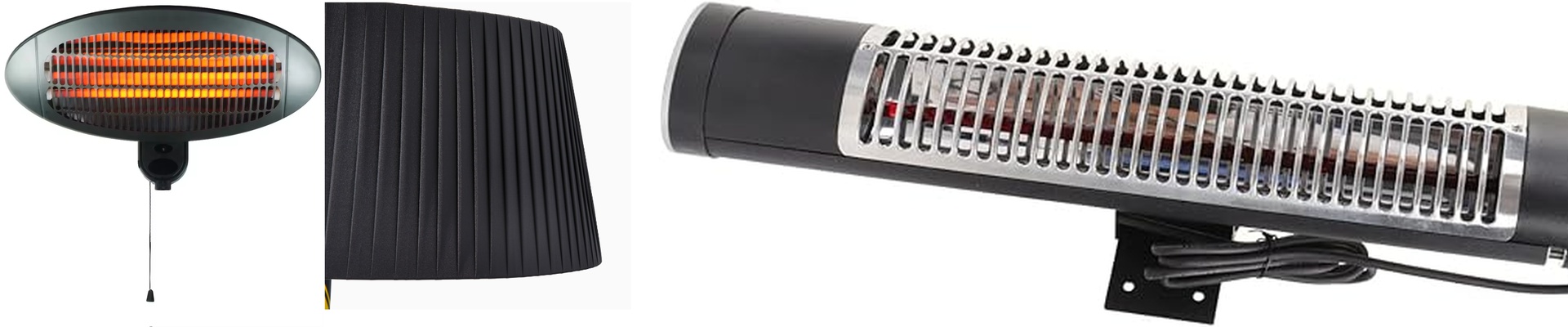

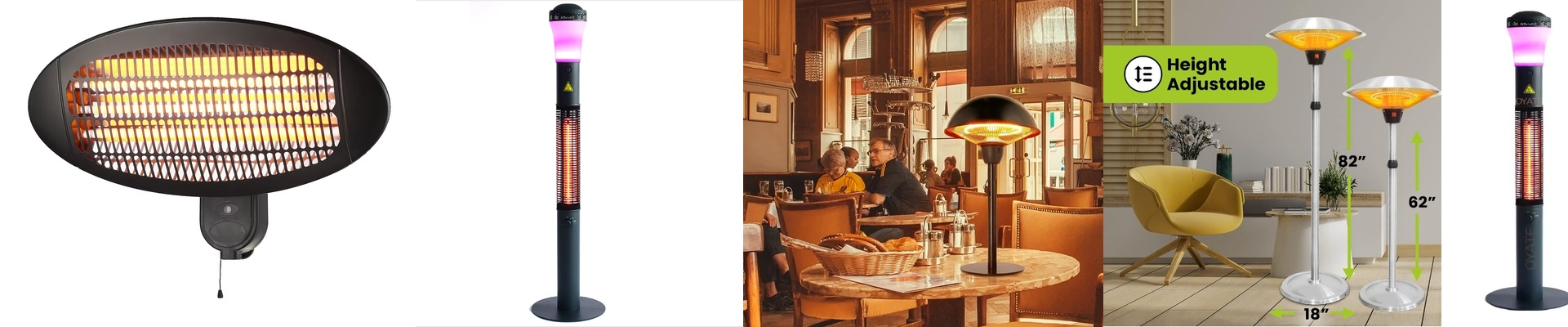
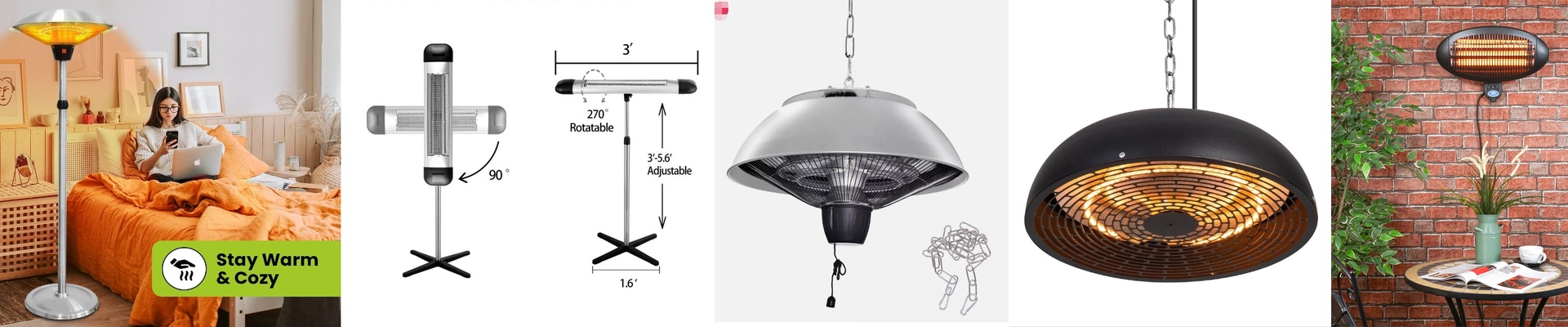

Making Your Bathroom Warm (Before You Even Get Out of Bed)
Let’s be honest: stepping onto a freezing bathroom floor in the middle of January is a special kind of torture. Standard radiators take forever to warm up the air, but infrared wall heaters are different. They don’t bother with the air; they just beam heat directly onto you and the walls. It feels more like standing in a patch of sunlight. But the real magic happens when you stop flipping a manual switch and let your home handle it. The “Instant Spring” Trick If you want your bathroom to feel like a tropical getaway the second you walk in, you need a way to turn that heater on from your bed. The easiest way is to tuck a Zigbee or Wi-Fi relay into the wiring. Once that’s in, you can just tap an app or set a timer. Since infrared energy moves fast, you don’t have to wait for the room to “warm up.” You just walk in, and you feel the heat immediately. It’s a total mood shifter for your morning. The Boring (But Important) Tech Stuff You can’t just throw any smart switch at this. Heaters pull a lot of power. If you buy a cheap, undersized relay, you’re likely to burn out the contacts. I always suggest going with a 16A or 20A rated relay. It gives you a bit of a safety cushion so you aren’t worrying about your walls while you’re brushing your teeth. The Reality Check Now, it’s not all plug-and-play. If you’re living in an older house, you might find there’s no neutral wire in your switch box. That’s a pain. You can use a “no-neutral” capacitor module to fix it, but be warned: sometimes those make your LED lights flicker. It’s an annoying quirk, but it happens. Also, a heater without a sensor is just a space-heater running wild. It’ll keep pumping out heat until you’re basically in a sauna, which wastes a ton of electricity. Toss in a small remote temperature sensor. Set it to kill the power once the room hits about 24°C. That way, it stays cozy, your electric bill stays sane, and you don’t overheat the room.