


Stop Throwing Away Your Heaters
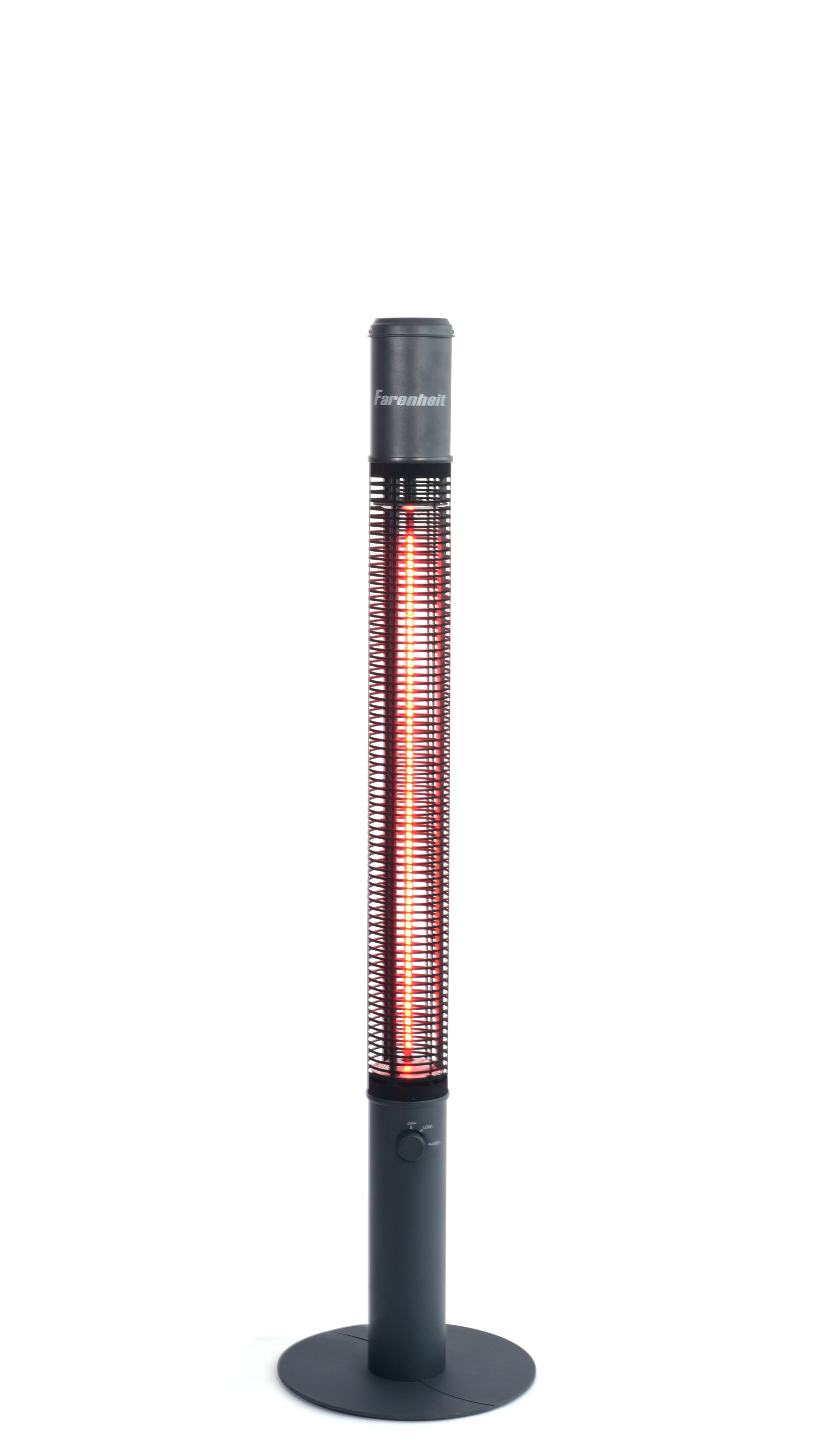
Let’s be honest: outdoor electric heaters have a rough life. They deal with freezing rain, humidity, and dust, and eventually, the heating elements just give up. The problem is that most heaters are built like sealed vaults. When one tube burns out after five years, you’re basically stuck. You can’t get inside, so you end up scrapping the entire chassis and buying a new one. It’s a waste of money and a pain in the neck. We decided to stop doing that. For our waterproof infrared series, we went with a modular design instead.
Swapping Parts Without the Headache
We started looking at the heating element as something that will eventually wear out—sort of like a lightbulb. So, instead of soldering the tubes directly to the main board, we used plug-and-play connectors. Now, if a tube goes out, you don’t have to spend your afternoon stripping wires or messing with a soldering iron in the middle of a parking lot. You just pop open the waterproof casing, unplug the dead module, and slide in a fresh one. It turns a job that used to take hours into something you can do in a few minutes. No more hauling heavy units back to the factory for a simple fix.
The Balancing Act
Here’s the tricky part: keeping water out while making the inside easy to get into. Usually, those two things don’t get along. To make it work, we used reinforced housing and compression gaskets. We also added a locking mechanism that keeps the seal tight without needing those permanent glues that make repairs impossible. It stays bone-dry, but it still opens when you actually need it to.
The Trade-offs
Nothing is perfect. Adding connectors means you have more points where things could go wrong compared to a single soldered wire. To handle that, we used high-temperature terminals so nothing melts when things get hot. The only real catch? You have to make sure those connectors are clicked in firmly. If a connection is loose under high wattage, it’ll arc and fry the socket. But if you’re managing heaters in a busy public space, this is a lifesaver. You can keep a few spare tubes in a cupboard on-site. Your tech can just walk the line, swap out the dead ones, and keep moving without having to shut down the entire electrical circuit.