
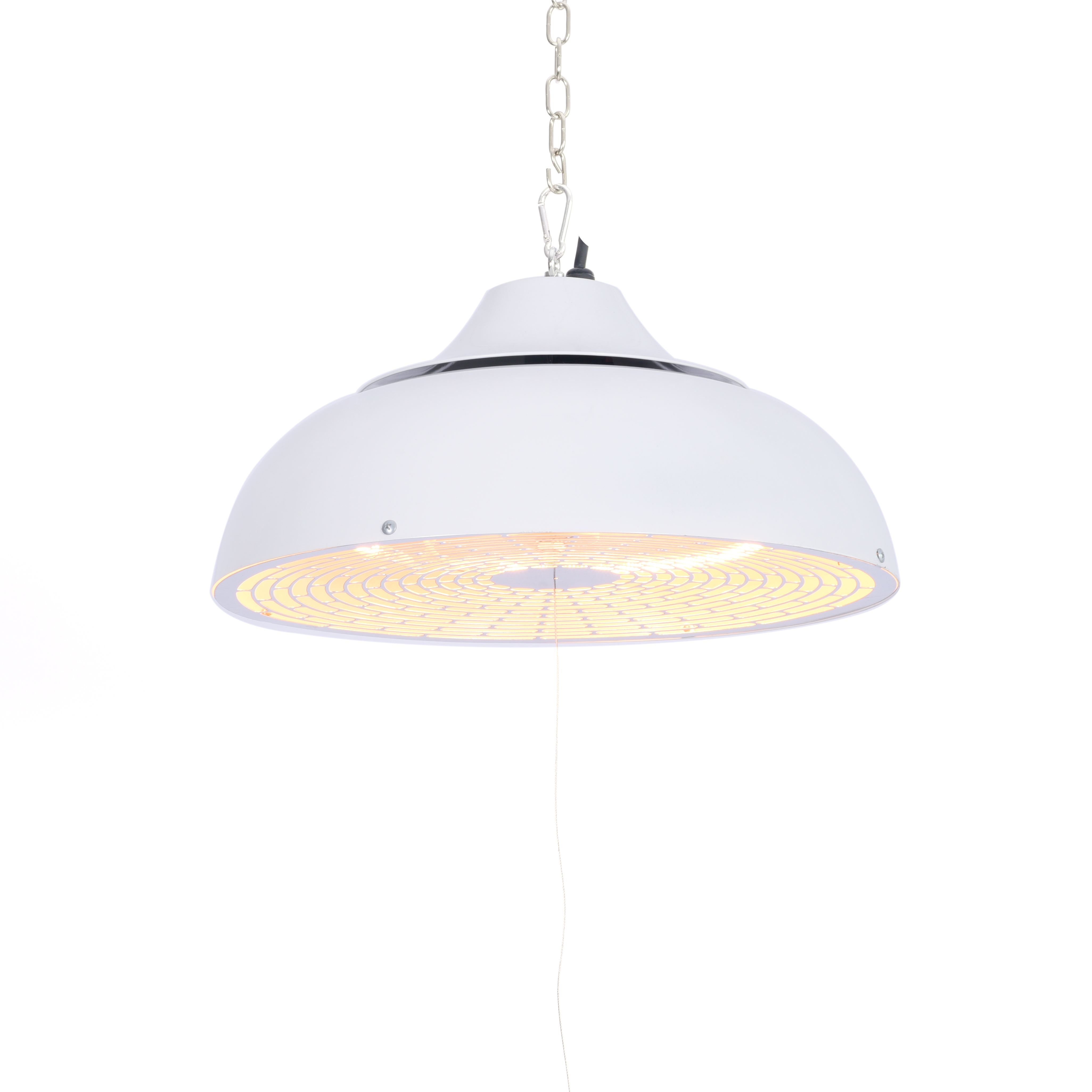
Making Your Infrared Heaters Actually “Smart”
Connecting an infrared heater to a smart home setup is more than just downloading an app and clicking a button. There’s a lot happening under the hood. You need hardware that can handle massive power spikes without blowing a fuse, all while staying sealed tight against the elements. Think of it this way: the smart hub is the brain, but our replacement elements are the muscle.
Keeping the Water Out and the Heat In
If you’re putting these in a bathroom or hanging them outdoors, you can’t just use any old heater. You need an IP65 rating. In plain English? It means the unit is dust-tight and can handle a spray of water without shorting out. We use sealed quartz envelopes and gaskets that actually keep moisture where it belongs—outside. The best part is the speed. When you hit “warm up” on your phone, you don’t want to wait ten minutes. Because we use short-wave infrared, the heat hits you instantly. It warms your skin and your furniture directly, rather than wasting energy trying to heat the air around you.
Don’t Fry Your Smart Plug
Here is a pro tip:do notplug a high-wattage heating element directly into a cheap smart plug. You’ll fry the relay almost instantly. It’s just not built for that kind of load. Instead, we suggest using a heavy-duty contactor or a Solid State Relay (SSR). The smart hub tells the relay to flip the switch, and the relay handles the heavy lifting. It’s the only way to get that “one-click” warmth without tripping your breakers every time you get chilly.
The Reality of Automation
Automation is great, but physics is stubborn. When these elements heat up fast, they expand. If the mounts are too tight, the tubes can snap after a few cycles of turning on and off. We’ve designed our mounts with a bit of “give” to let the hardware breathe. One last thing to watch out for: your wiring. Since these hit peak loads quickly, make sure your wires are thick enough to handle the current. And if you’re planning to dim the heat using PWM (Pulse Width Modulation), just double-check that your element is rated for it. Otherwise, you might deal with annoying flickering or a burnt-out filament way sooner than you’d like.